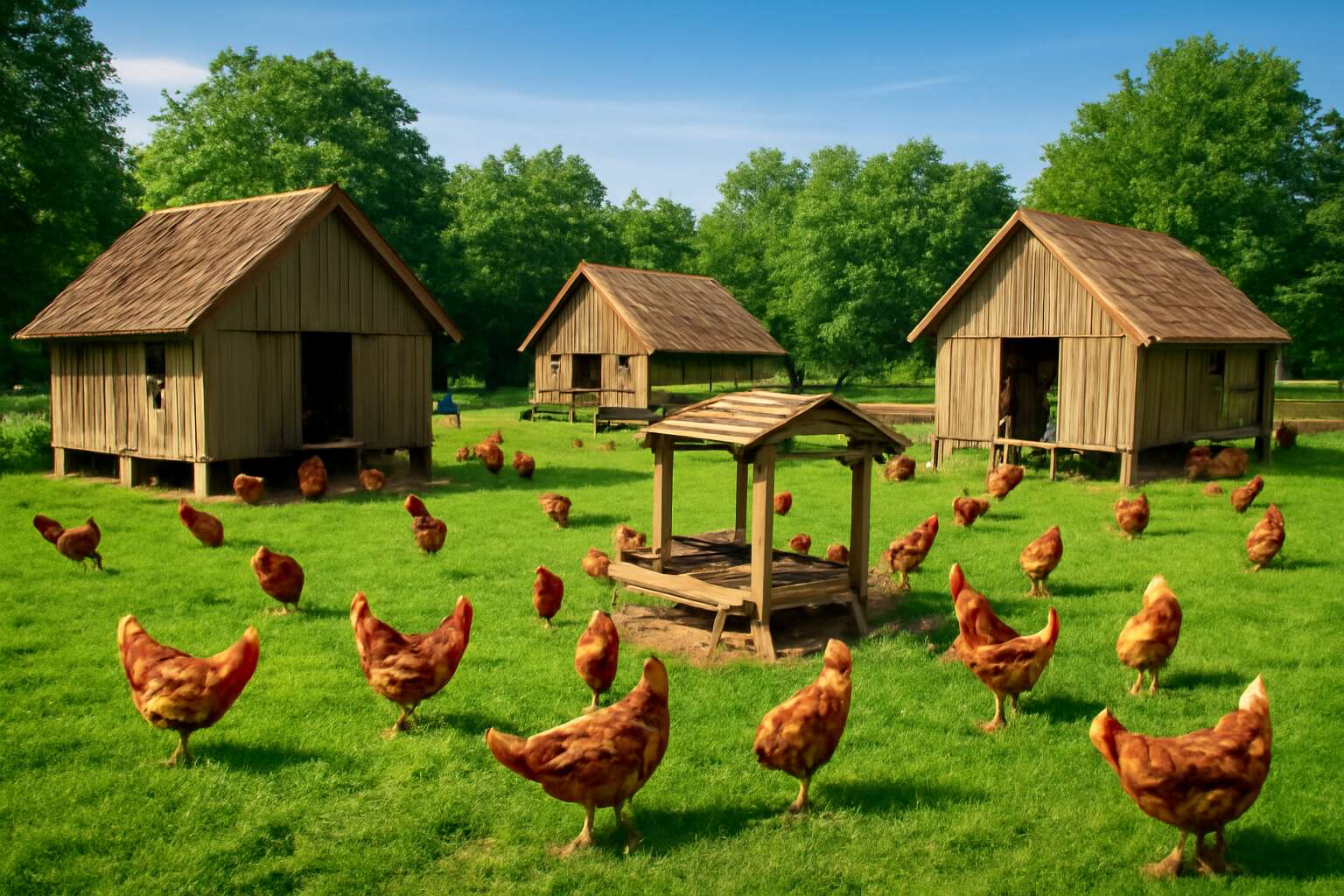
Understanding the Basic Expenses of Chicken Farming
Initial Investment Costs – Land acquisition, barn construction, and equipment setup
Embarking on chicken farming is akin to planting a seed of hope—every venture hinges upon initial investment costs that lay the foundation for success. In South Africa, understanding the intricate layers of the chicken farming cost is essential to transform aspiration into prosperity. The journey begins with land acquisition, a pivotal step where the quality of soil and proximity to markets directly influence long-term profitability.
Once the land is secured, the construction of a barn becomes paramount. This structure must safeguard against harsh weather, predators, and provide a controlled environment for the flock. The setup of equipment, including feeders, waterers, and heating systems, adds another layer of expenditure but ensures optimal growth conditions. To navigate these expenses smoothly, it’s helpful to consider the essential elements:
- Land purchase and preparation
- Construction of durable, well-ventilated poultry houses
- Procurement of feeding and watering systems
- Initial stock of chicks or pullets
Cost of Chicken Stock – Purchasing from hatcheries or breeders
The core of any successful chicken farming enterprise hinges on understanding the **cost of chicken stock** — those vital early stages of life that set the tone for the entire venture. Whether purchasing from reputable hatcheries or trusted breeders, this initial outlay is a crucial investment in the health and productivity of your flock. Premium quality chicks often come at a higher price, but their resilience and growth rate can significantly influence the overall chicken farming cost and your farm’s profitability.
In South Africa, selecting the right source is pivotal. Reputable hatcheries provide chicks that are vaccinated and disease-free, reducing future expenses linked to disease control and mortality. The **cost of chicken stock** can vary depending on the breed, age, and quantity ordered, but it remains a fundamental component of the total chicken farming cost. To streamline expenses, many farmers opt for an initial purchase of 200 to 1,000 chicks, carefully balancing price with quality.
Additionally, some farmers consider purchasing pullets — chicks already partially grown — which tend to be costlier upfront but can shorten the waiting period before production begins. While the price of chicken stock may seem a straightforward expense, its ripple effect on feed, healthcare, and overall farm management underscores its significance in the broader narrative of chicken farming costs.
Feeding Expenses – Types of feed and feeding schedules
Feeding expenses form the heart of the ongoing costs in chicken farming, often accounting for up to 70% of total operational expenditure. In South Africa, choosing the right type of feed and establishing a consistent feeding schedule can make the difference between a thriving flock and a struggling one. Fresh, high-quality feed ensures healthy growth and resilience against common diseases, ultimately reducing long-term chicken farming costs.
To manage these expenses effectively, farmers often consider a feeding routine that includes morning and evening sessions, catering to the natural rhythms of the chickens. The types of feed vary from starter crumbles for chicks to layer pellets for mature hens. A balanced diet—rich in proteins, grains, and vital nutrients—promotes optimal growth rates and egg production, which are crucial for farm profitability.
Here’s a quick overview of common feed types:
- Starter feed for chicks (0-6 weeks)
- Grower feed for juvenile chickens (6-12 weeks)
- Layer or breeder feed for hens in production stages
Every decision regarding feed composition affects the overall chicken farming cost while ensuring the health and productivity of your flock. Fine-tuning this balance is essential for sustaining a profitable chicken farming operation in South Africa’s competitive markets.
Vaccination and Healthcare – Preventive treatments and veterinary services
In the intricate tapestry of chicken farming cost, health and prevention are threads that cannot be overlooked. Neglecting vaccination and healthcare can unravel months of meticulous planning, as disease outbreaks swiftly siphon away profits and threaten the very foundation of a thriving poultry operation. Beyond mere expenses, these preventive treatments embody a strategic shield—fortifying flocks against common afflictions such as Newcastle disease and avian influenza, both of which can devastate an entire farm in days.
Veterinary services, often seen as an ancillary expense, are in fact a cornerstone of sustainable chicken farming. Regular check-ups and timely interventions not only stem potential outbreaks but also optimize overall productivity, directly influencing the unseen yet substantial components of the chicken farming cost. In South Africa’s competitive markets, continuous health monitoring is not just prudent—it’s indispensable.
- Vaccination schedules tailored to regional disease patterns
- Routine health assessments conducted by qualified veterinarians
- Implementation of biosecurity protocols to curb pathogen entry
This holistic approach to healthcare transforms reactive firefighting into proactive stewardship—an essential for cultivating a resilient flock and maintaining a balanced, profitable chicken farming operation.
Ongoing Operational Costs in Chicken Farming
Feed and Nutrition – Cost variations based on chicken age and breed
The ongoing operational costs in chicken farming vary significantly depending on factors like chicken age and breed. It’s a dynamic landscape, especially when you consider how feed expenses fluctuate over time. Younger chicks require starter feed, which is usually more concentrated and costly, while mature chickens consume a different type of feed that can be slightly cheaper per kilogram. Breeds also influence expenses; high-yield or exotic breeds might demand premium nutrition to reach optimal growth and production levels.
Feeding expenses often make up the largest portion of chicken farming cost. To control costs, many farmers utilize a balanced feeding schedule that maximizes growth while minimizing waste. Here are some key considerations:
- Type of feed (starter, grower, layer)
- Feed conversion ratio
- Frequency of feeding
Adjusting these variables can help optimize costs without compromising chicken health or productivity. Staying attentive to these nuances is essential for maintaining profitability in chicken farming.
Labor Costs – Staff wages and management expenses
Labor costs form the backbone of ongoing operational expenses in chicken farming — often accounting for a substantial share of the total chicken farming cost. Skilled staff are essential for ensuring the health, safety, and productivity of the flock, especially in larger commercial operations. Wages for farmworkers, managers, and veterinary personnel can fluctuate based on the scale of the enterprise and local wage standards in South Africa. Moreover, managing the daily routines—including feeding, cleaning, and monitoring health—demands consistent attention and expertise.
Investing in effective management tools or hiring experienced personnel can be a game-changer in controlling overall costs. For many farmers, adhering to a well-organized schedule helps streamline labor, reducing waste and minimizing costly mistakes. While labor costs might seem straightforward, they intertwine deeply with other operational expenses—highlighting yet again how integral efficient staffing is to optimizing the chicken farming cost landscape.
Utilities and Maintenance – Electricity, water, and equipment upkeep
Under the shadowed veils of each dawn, the relentless hum of utility machinery whisper tales of ongoing operational costs in chicken farming. Electricity pulses like a dark heartbeat, fueling ventilation systems and temperature controls that keep the flock within their fragile sanctuary. Water, a vital yet often overlooked sustenance, demands constant flow—quenching life’s delicate balance amidst the brooding silence of the farm.
Equally vital is the upkeep of equipment—lighting fixtures, feeding systems, and climate control units—that require vigilant maintenance to prevent the slow erosion of efficiency. Neglect can turn these silent sentinels into causes of unexpected expenditure. Amidst this darkness, some farmers find solace in
- investing in energy-efficient technologies
- regular maintenance routines
to cut costs and preserve their yields.
Biosecurity Measures – Disinfection, protective gear, and pest control
In the intricate web of chicken farming, biosecurity measures are the unseen barrier guarding both the livelihood of farmers and the health of the flock. While often overlooked in the face of more tangible expenses, these ongoing operational costs hold significant weight in the overall chicken farming cost. Disinfection routines, protective gear, and pest control—though seemingly minor—are vital to prevent devastating outbreaks that can wipe out entire flocks and drain resources unexpectedly.
Effective biosecurity is a delicate dance of diligence and discipline. Regular disinfection of poultry houses, the use of high-quality protective clothing, and comprehensive pest management—such as rodent and insect control—are paramount. A failed pest control strategy, for example, can escalate into a serious health crisis, unduly inflating the chicken farming cost and jeopardizing profits. It’s a sobering reminder that the true cost of production extends beyond initial setup and feed—the invisible expenses of maintaining a healthy, disease-free environment are equally critical.
Factors Influencing Chicken Farming Expenses
Farm Size and Capacity – Economies of scale and overhead costs
When exploring chicken farming cost, one critical factor that often goes unnoticed is farm size and capacity. Larger farms tend to benefit from economies of scale, which can significantly reduce the relative cost of inputs like feed, equipment, and labor. However, expanding farm size also ramps up initial setup expenses and ongoing overhead costs—think of it as a balancing act between efficiency and investment risk.
A bigger operation doesn’t automatically mean lower costs per bird. The overhead costs for utilities, maintenance, and biosecurity measures can escalate rapidly with increased capacity. For South African chicken farmers, understanding that the chicken farming cost isn’t just about buying chicks or feed, but also about managing these expanding expenses, is vital. Sometimes, larger farms require an optimized logistical framework to keep expenses manageable.
- Economies of scale help spread fixed costs over a larger number of birds, reducing the cost per unit.
- Overhead expenses such as electricity for lighting and ventilation grow as the farm’s capacity increases.
Breed Selection – Cost differences among breeds for meat or eggs
Within the shadowed corridors of chicken farming cost, the choice of breed is a clandestine key that unlocks both profitability and peril. Not all feathers are equal in the dance of commerce; some breeds command a hefty price due to their superior growth rate and meat quality, while others are more modest, suited for egg production or hardy survival in South Africa’s unpredictable climate. The decision on breed selection influences more than just initial purchase—it molds feeding expenses and healthcare requirements, whispering a tale of trade-offs and strategic foresight.
Opting for a high-yield meat breed might elevate upfront costs but can accelerate return on investment. Conversely, traditional breeds may demand less initial investment but could require extended care and management, ultimately impacting the overall chicken farming cost. Intriguingly, certain breeds are more resilient to local pests or climatic extremes—an oft-overlooked factor that tangibly affects ongoing expenses.
- The more popular broiler breeds, for instance, tend to be feed-efficient, but their procurement might be pricier—affecting your total chicken farming cost significantly.
- Egg-laying breeds, with their longer production cycle, could increase feeding and healthcare costs over time but deliver steady income.
Therefore, selecting the perfect breed isn’t merely an aesthetic choice but a calculated calculation of how each feathered prospect influences your bottom line—an intricate weave of genetics, climate, and economic voracity—all entangled within the shadowy realm of chicken farming cost in South Africa.
Geographical Location – Impact of climate and local market prices
In the delicate dance of chicken farming cost, the terrain—both physical and economic—casts a long shadow over every decision. South Africa’s varied climate, from the scorching Karoo plains to the misty Eastern Cape hills, shapes not only the health of your flock but also the expenses you incur. Cooler regions may demand enhanced heating systems or shelter, while arid zones might necessitate increased water management—each element subtly inflates the overall farming cost.
Moreover, local market prices for poultry products carve peaks and valleys in your income, influencing how much you should invest upfront. If the market for chicken or eggs in your area favors premium breeds, expect to allocate more funds, but with the reward of higher returns. Conversely, regions with lower demand might pull your costs down—yet careful analysis is essential to avoid the trap of over-investing in the wrong segment.
- Climate considerations
2. Local market dynamics
3. Availability of feed and veterinary services
4. Pest and disease prevalence
Understanding these geographical nuances helps paint a vivid picture of the true chicken farming cost—an intricate tapestry woven with the threads of climate, market forces, and local resource accessibility. When balancing these forces, any farmer in South Africa can navigate the labyrinth of expenses with a keener eye and a steadier hand, transforming the shadowy realm of farming cost into a realm of strategic opportunity.
Technology and Automation – Modern systems for feeding, watering, and monitoring
In the theatrical ballet of chicken farming, technology and automation have taken center stage—dancing away some of the old labor-intensive routines. Modern systems for feeding, watering, and monitoring not only streamline operations but also subtly influence the chicken farming cost. With the click of a button, farmers can adjust feed quantities, track water consumption, and even monitor flock health remotely. While the initial investment in automated feeders and climate control might cause a flicker of dollar signs, the long-term savings in labor and reduced losses often justify the expenditure.
It’s worth noting that these advancements aren’t wholesale luxuries; they are increasingly becoming essential in maintaining competitive chicken farming costs in South Africa. Incorporating cutting-edge technology can elevate your farm’s efficiency, but remember—investing in the right tools requires careful analysis of your farm’s size and capacity. Even in smallholdings, basic automation can lead to notable savings and healthier flocks, turning laborious chores into seamless, almost artful management.
To keep pace with the ever-evolving industry, some farmers opt for highly sophisticated systems featuring automatic feeding and watering systems, alongside real-time monitoring software. These tools help detect issues early—perhaps a sick bird or a water leak—further controlling the chicken farming cost by preventing disease outbreaks or wastage. When balancing the costs and benefits, it’s clear that technology—carefully integrated—can be a game-changer in maintaining a healthy profit margin in South African poultry enterprises.
Market Trends – Flesh and egg prices affecting profitability
Understanding the fluid dynamics of market trends reveals that the profitability of chicken farming in South Africa is intricately tied to fluctuating flesh and egg prices. When market demand surges, the revenue potential inflates, yet so too do the pressures on maintaining a manageable chicken farming cost. Conversely, a downturn in prices compels farmers to scrutinize every expense, from feed to healthcare, as margins tighten dangerously.
The unpredictable nature of these price shifts underscores the importance of strategic planning. For instance, in periods of high egg prices, investing in breed selection for optimal egg production can mitigate the impact on overall chicken farming cost. Meanwhile, fluctuating flesh prices demand a keen eye on feed and nutrition expenses—tracking these variables can make the difference between thriving and merely surviving in a competitive landscape. As market tides ebb and flow, so too must the operational prudence of poultry farmers—balancing risk and reward in a delicate dance that defines the true face of chicken farming cost.
Cost-Reduction Strategies and Profit Optimization
Efficient Feeding Programs – Utilizing cost-effective feed supplements
Optimizing the chicken farming cost isn’t just about trimming expenses; it’s about smart stewardship of resources that directly impacts the bottom line. One particularly savvy approach is implementing efficient feeding programs. By incorporating cost-effective feed supplements, farmers can significantly reduce feeding expenses without sacrificing bird health or productivity. These supplements, which include locally available ingredients like maize and soybean meal, offer both economic and nutritional advantages.
To further refine your expenditure, consider structured feeding schedules that align with your flock’s growth stages. Maintaining consistency ensures that feed is utilized optimally, preventing wasteful overfeeding or underfeeding. Additionally, leveraging modern feed formulations can enhance nutrient absorption, leading to healthier poultry and decreased overall chicken farming cost. Remember, a deft balance between quality and affordability in feed supplements can be the difference between marginal gains and substantial profit increases.
Improving Housing Design – Ventilation and insulation to reduce energy costs
In the complex ballet of chicken farming cost management, strategic modifications to housing design stand as a pivotal act. Poor ventilation and inadequate insulation can silently drain resources—forcing farmers to expend more on energy while compromising bird welfare. Optimizing these elements isn’t merely about comfort; it’s a calculated move to curtail energy expenses and elevate overall efficiencies.
Implementing robust ventilation systems that exchange stale air for fresh air regularly not only reduces the need for costly cooling or heating but also sustains a healthier environment for the poultry. Likewise, superior insulation minimizes temperature fluctuations, decreasing reliance on electronic climate control devices. These improvements, though seemingly infrastructural, ripple through to impact your bottom line—sharpening the edge of chicken farming cost reduction strategies.
To streamline this process, consider an ordered approach:
- Assess the current ventilation and insulation shortcomings.
- Select high-quality materials that offer durability and thermal efficiency.
- Incorporate natural ventilation solutions when feasible, reducing dependence on mechanical systems.
By fine-tuning your housing to reduce energy consumption, you forge a resilient farm capable of weathering market fluctuations and environmental challenges. Such meticulous attention to shelter design echoes in every dollar saved, quietly transforming the seemingly ordinary into a mastery of efficient chicken farming cost management. After all, in the world of poultry production, the smallest details often carry the greatest impact—fueling both profit growth and your unwavering commitment to sustainable farming practices.
Disease Prevention – Vaccination protocols to minimize losses
Reducing chicken farming cost is essential for farmers looking to boost profit margins in a competitive market. One often overlooked area is disease prevention. Effective vaccination protocols can prevent costly outbreaks that risk entire flocks. Preventive healthcare not only minimizes losses but also reduces emergency medication expenses, keeping your operational costs lean.
Implementing streamlined vaccination schedules is vital. An ordered approach—starting with the most critical vaccines and maintaining consistent administration—ensures health stability in your poultry. Incorporating vaccinations into daily routines fosters a resilient flock capable of withstanding common diseases. This proactive stance can significantly shrink your chicken farming cost over time.
- Choose vaccines appropriate for your local environment.
- Use quality veterinary supplies to maximize efficacy.
- Maintain proper storage conditions for vaccines to prevent wastage.
By investing in such disease prevention measures, farmers not only safeguard their flocks but also optimize profits. Less disease means fewer losses, allowing resources to be directed toward growth and development instead. Disease management is undoubtedly a cornerstone of managing chicken farming cost and ensuring sustainable success in South Africa’s poultry industry.
Selecting Appropriate Breeds – Balancing cost and productivity
In South Africa’s competitive poultry industry, striking the right balance between cost and productivity is vital for sustainable growth. Selecting the appropriate breeds can significantly influence chicken farming cost, as different breeds offer varying efficiencies in meat or egg production. For instance, choosing dual-purpose breeds might be more economical for small-scale farmers aiming to diversify income streams, while specialized breeds could maximize output but often at a higher initial investment.
Cost-effective breed selection is more than just economic sensibility; it’s about understanding the specific needs of your farm’s environment and market demands. An informed choice can lead to healthier flocks, fewer health issues, and a lower overall chicken farming cost. Remember, breeds with excellent feed conversion ratios can reduce feed expenses, which constitute a large portion of operational costs. This strategic decision allows farmers to optimize profits and ensure the longevity of their enterprise.
- Evaluate local climate and disease resistance of breeds.
- Assess the market value for eggs or meat in your region.
- Balance initial investment with long-term productivity.
By investing time and thought into breed selection, poultry farmers can lower their chicken farming cost while maintaining a thriving, resilient flock. It’s a crucial step towards turning a modest farm into a profitable venture — a heartfelt pursuit driven by dedication and keen insight into what breeds will flourish in the South African landscape.
Market Research and Pricing – Aligning production with market demand
In the shadowy realm of poultry enterprise, market research and pricing become the silent puppeteers that dictate survival. Aligning production with the fluctuating demand for eggs or meat is not merely prudent — it’s essential. By understanding the ebb and flow of market prices, farmers can adjust their chicken farming cost strategies, avoiding the peril of overproduction or scarcity. This delicate dance between supply and demand can mean the difference between a thriving flock and a pile of unsold dreams.
To navigate these treacherous waters, some poultry farmers employ a simple yet effective approach: market trend analysis. This involves scrutinizing regional sales data, seasonal patterns, and consumer preferences. Often, tapping into local market insights reveals the most profitable emphases—be it favoring eggs or meat—helping to optimize revenue streams. For added efficiency, developing a flexible pricing strategy allows farmers to adapt swiftly and maintain the financial health of their farm.
- Investigate regional market prices to avoid undervaluing your produce.
- Observe consumer preferences to pivot production accordingly.
- Price eggs or chicken meat competitively, considering both market demand and production cost nuances.
Ultimately, the artful synchronization of production volume and market demand ensures that the costs associated with chicken farming remain sustainable. When market forces are mastered, profits ascend from the darkness, revealing the true potential of a well-tuned chicken farm amidst South Africa’s unpredictable economic landscape.

0 Comments