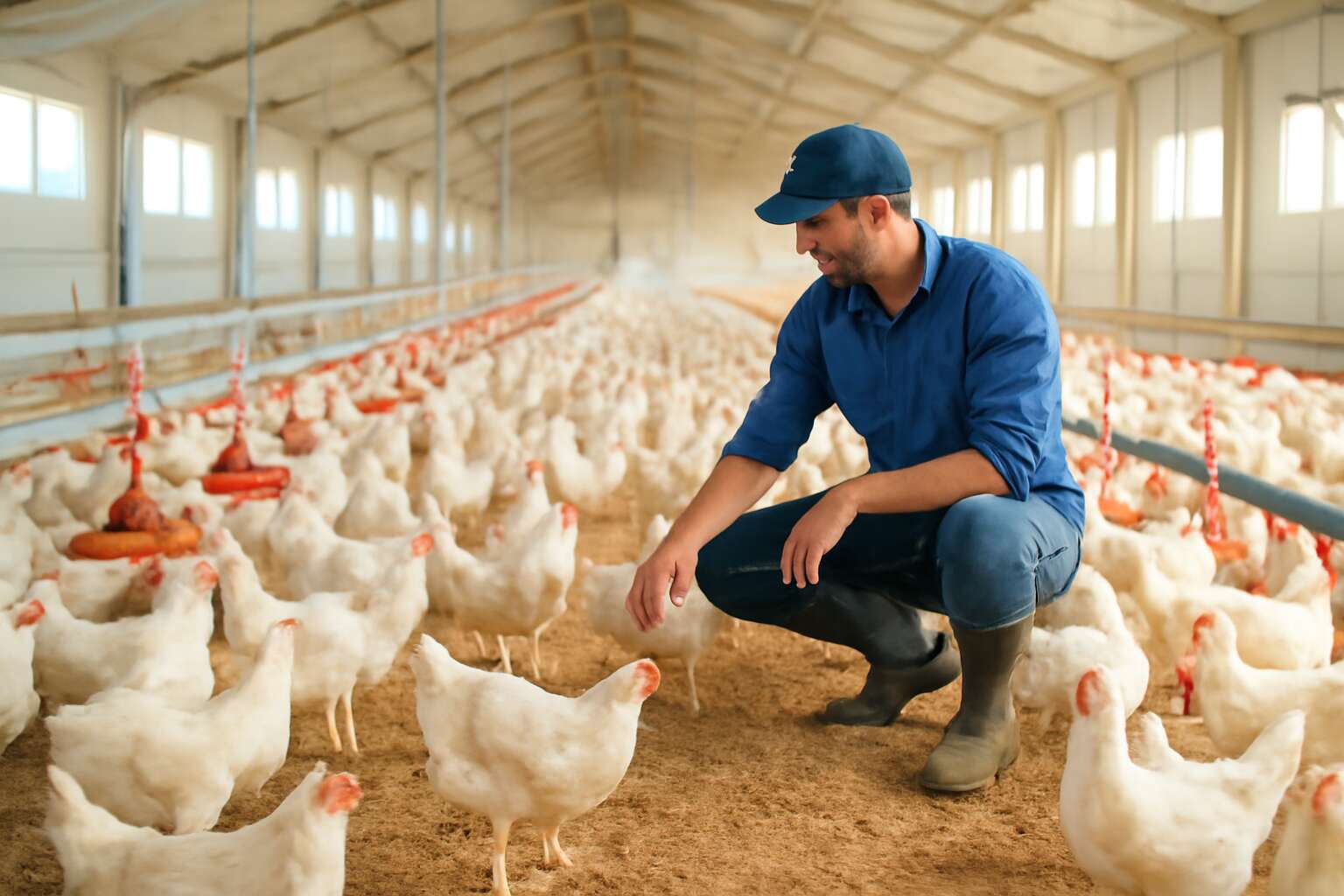
Planning a sustainable poultry farming project
Project goals and scope
From dawn’s pale light to dusk’s iron shadow, farming keeps its secrets. In South Africa, where drought bites and gridlines flicker, the chicken farming project can steady a family’s table and a farmer’s future. A proven chicken farming project blends water stewardship with humane care, turning sheds into keepers of promise!
Project goals and scope lean into resilience and responsibility. The aim is steady chick-to-market cycles, humane welfare, and a manageable footprint. Scope encompasses housing design, biosecurity, feed efficiency, waste management, energy use, and transparent data that tracks performance and costs.
- Water and energy efficiency
- Biosecurity and disease prevention
- Staff welfare and training
- Community impact and local jobs
With a clear framework, the plan maps milestones, suppliers, and risk within South Africa’s regulatory landscape. It seeks profitability without compromising life or land, weaving seasonal feed cycles with market rhythms and a quiet, enduring purpose.
Market viability and ROI
A chicken farming project thrives on market viability, where demand meets discipline and price cycles align with steady production. In South Africa, poultry remains a dependable protein, giving rural families a pathway to resilience. A well-tended plan turns volatility into measured opportunity.
ROI hinges on feed efficiency, mortality control, and access to honest contracts. The numbers aren’t mere math; they’re the story of steady chick-to-market cycles and transparent costs. Here are key factors that shape sustained value:
- Market access and local demand stability
- Feed cost management and supplier contracts
- Transparent cost-to-income tracking and data
From regulatory clarity to humane handling and water-energy stewardship, the right framework threads markets with purpose. A chicken farming project that respects people and land can ride market rhythms with grace, proving that profitability and responsibility can share the same table.
Breed and production type selection
In SA, poultry accounts for the lion’s share of meat consumed at home, and a well-tended operation can turn a shed into steady protein with surprising speed.
This chicken farming project starts with breed and production type selection, a decision that shapes space, ventilation, and feeding.
- Broiler-led modules: fast turnover and compact housing demand tight feed conversion.
- Layer-focused systems: steady egg output, nesting needs, and molt management at scale.
- Dual-purpose strains: flexibility to pivot between meat and eggs as markets shift.
Choose lines with heat tolerance for SA summers and robust disease resistance; climate-smart housing and water-energy stewardship keep the plan sustainable and humane as markets hum along.
Initial capital and budgeting
Across South Africa, poultry dominates home meat consumption, and a smart start pays off fast. We run lean budgets to turn capital into protein efficiently. A chicken farming project begins with a clear budget that maps cash in and cash out, keeping growth humane and sustainable.
Initial capital should cover core needs, plus a safety margin. Priorities include poultry housing, feeders, ventilation, lighting, chicks, and a starter feed. Plan for ongoing costs: electricity, water, litter, health care, and routine maintenance.
- Upfront capital: housing, equipment, chicks, and initial feed
- Working capital: several weeks of operating expenses
- Contingency: reserve for price swings and maintenance
- Insurance and permits: risk protection and compliance
- Energy and water efficiency upgrades: long-term savings
With these in place, the chicken farming project can weather market shifts while delivering steady protein to households and communities.
Regulatory and compliance considerations
A robust start begins with clear rules that keep families fed and farms thriving. In South Africa, regulatory clarity translates into predictable days, safer animals, and honest partnerships from day one. For many communities, a well-run venture means reliable meals and steady work for neighbours.
Key regulatory touchpoints include:
- Local permits and zoning approvals
- Animal welfare and humane handling standards
- Biosecurity, disease reporting, and traceability
- Waste and environmental management regulations
- Food safety and feed compliance
We align with these standards not as red tape but as a pledge to the community, workers, and land we share. When authorities are met with respect and openness, growth becomes a shared journey—and the chicken farming project can weather shocks with dignity and continuity.
Risk assessment and mitigation
A single disease outbreak can wipe out months of work in a heartbeat. Planning a sustainable chicken farming project starts with risk assessment that identifies what could go wrong and who is responsible when it does. In South Africa, this means aligning farm ambitions with the realities of climate, feed markets, and local communities. The result is resilience that protects animals, workers, and families who rely on steady birds and steady incomes.
Key risk domains to watch include:
- Biosecurity gaps and disease risk
- Feed and water supply volatility
- Power outages and equipment failure
- Environmental and waste management pressures
- Regulatory shifts and market access changes
Mitigation is about clarity, accountability, and quick communication. Assign owners, keep transparent records, and build relationships with vets, suppliers, and neighbours. It’s not about fear, but about dignity in a rough season and continuity for the chicken farming project across generations.
Facility design and housing setup
Housing design for different breeds and ages
On South Africa’s vast valleys and urban outskirts, a well-tuned poultry house is more than shelter—it’s the heartbeat of a successful chicken farming project. In fact, seasoned producers note that thoughtful facility design can trim energy costs and stress by as much as 20% during peak seasons, simply by balancing heat, airflow, and daylight.
Housing design for different breeds and ages requires a nuanced touch. Here’s how space and features adapt across the lifecycle:
- Ventilation and climate control tailored to seasonal shifts
- Perches, nest boxes, and litter arrangements sized for chicks, growers, and layers
- Light management that aligns with production milestones
I’ve learned that material choices, corrosion resistance, and easy-clean surfaces round out a setup that supports performance and welfare across a mixed flock.
Ventilation and environmental control
A chicken farming project thrives when the house breathes with the flock. In South Africa’s climate, a well-tuned poultry house can trim energy costs and bird stress by up to 18% during peak seasons by balancing heat, airflow, and daylight.
Ventilation and environmental control form the backbone. Use a hybrid approach: fixed ridge and sidewall vents, well-placed fans, and evaporative cooling to shave heat load in summer and maintain consistent humidity in winter. That balance helps birds stay comfortable and production stay steady!
- Ventilation rate that matches stocking density
- Temperature and humidity control to prevent stress and disease
- Smart lighting that supports growth without wasting energy
In building out the housing setup, select durable, easy-clean materials and arrange litter, perches, and nests to support a mixed-age flock—while keeping airflow unobstructed.
Nutritional and water systems
This chicken farming project unfolds like a cathedral of steel and light, where the house breathes with the flock under South Africa’s sun. Durable, easy-clean materials line the bays, and clean, clog-free floors guide every step from entry to water point. Thoughtful spacing keeps equipment clear and maintenance swift, so routine care becomes a quiet ritual rather than a burden.
To nourish the birds wisely, the nutritional and water systems must hum in unison.
- Nipple drinkers with protected lines to prevent contamination.
- Automatic feeders delivering age-appropriate rations with minimal waste.
- Dry, organized feed storage to preserve quality.
- Water quality monitoring and daily sanitation.
- Balanced, locally sourced ingredients matched to growth stages.
In this arrangement, a compact footprint yields steady production, and the house becomes a cradle of predictable results. The harmony of design and nourishment is the quiet backbone.
Biosecurity measures and disease prevention
From the heart of South Africa, a well-designed poultry house reads like a cathedral of light and order. The structure breathes with the flock, while bays lined in durable, easy-clean surfaces invite the day’s routine. Thoughtful zoning keeps walkers and machinery in gentle rhythm, and the floor design keeps moisture from dampening the flock’s tempo. Studies show that meticulous housing can reduce losses by up to 20%, turning space into steadfast productivity.
- Controlled entry points to curb cross-contamination
- Dedicated footwear and clean-on-site stations
- Sealed waste streams and pest monitoring
- Separated water and feed handling zones
- On-site health surveillance and quarantine areas
Such biosecurity choreography gives the chicken farming project a quiet backbone, where disease prevention becomes part of daily reverie rather than alarm. With this harmony, the house becomes not just a shelter but a living, reliable engine of South Africa’s poultry future.
Waste management and sustainability
Facility design for a chicken farming project blends form and function. Thoughtful housing setups harness daylight, durable but forgiving surfaces, and modular bays that adapt to breed and age. Clear zoning guides staff and machinery, while a gentle floor slope keeps moisture away and the birds moving with calm efficiency. I’ve witnessed how sunlight and clean lines calm birds and staff alike.
- On-site litter management and composting
- Anaerobic digestion to recover energy
- Closed-loop water and cleaning systems
Waste management and sustainability aren’t afterthoughts but the backbone of resilience. A well-honed waste stream supports soil fertility and reduces odors, turning by-products into value. When these elements align, the facility becomes a living system that sustains South Africa’s poultry future.
Operations and management workflow
Daily routines and labor allocation
Discipline pays dividends in a chicken farming project: studies with producers suggest disciplined routines lift growth efficiency by up to 12%. The morning clock starts before first light, and the facility hums like an engine—no drama, just dependable throughput. It runs on clear routines and sharp hands, turning dawn into data and daylight into measurable performance.
Behind the scenes, operations map to shifts, supervisors, and tasks that keep birds thriving and records clean. The chicken farming project thrives on defined roles and disciplined hands, labor allocated by capacity, with roles including welfare checks, water and feed oversight, litter monitoring, and data capture. A precise handover from dawn to dusk ensures accountability and continuity.
- Morning welfare checks
- Mid-shift feed, water, and inventory oversight
- Evening handover and data review
Dashboards, quick huddles, and a touch of South African pragmatism keep the operation humming, with every decision backed by data rather than folklore.
Feed planning and scheduling
Across South Africa’s dawn-lit sheds, a chicken farming project thrives on a single axis: feed planning that translates forecasts into rations. In disciplined operations, the day begins with a precise calendar that matches growth stages to meal timing, turning numbers into appetite and appetite into gain. I align the feed plan with batch cycles, so every flock receives the right energy at the right moment, while yesterday’s data guides today’s allocations.
A lean workflow supports this rhythm:
- Daily feed formulation windows aligned to growth stages
- Timed water and electrolyte oversight
- Inventory turnover checks to stay ahead of consumption
Morning huddles, dashboards, and careful handovers knit the day together. Decisions ride on data, not folklore, and the team moves with South African pragmatism—quiet, steady, almost ritual. I watch the feed ledger update in real time, adjusting rations to pace, waste, and growth.
Health monitoring and record keeping
On a farm lit by dawn and hard-won routine, I know that operations thrive when health is tracked as closely as feed. In our current cycle, daily health checks cut mortality by about 15%. Health monitoring and record keeping are not chores; they are the compass that keeps a chicken farming project on course, even when the South African weather presses in!
- Temperature and humidity trends across housing zones
- Water intake and electrolyte balance
- Mortality, morbidity, and visible clinical signs
- Vaccination and medication logs
Every shift ends with careful handovers and a sealed chain of custody for records, from eggs to birds. Health data becomes history and forecast, not gossip.
Production cycles and scheduling
Across SA farms the clock is the first instrument; a well-tuned production cycle can lift throughput by as much as 12%, a statistic that keeps the shed quiet and the ledger friendly. In this chicken farming project, production cycles and scheduling set the tempo, aligning breed growth curves with market windows and seasonal demand. The aim is not frenzy but rhythm—predictable, auditable, almost ceremonial in its precision.
Operations follow a lean, non-heroic workflow: between hatch and finish, cycles are mapped, milestones are noted, and buffers exist for the weather’s whims. A small, natural order emerges when tasks are arranged by stage, not by impulse.
Automation and technology integration
In South Africa’s poultry rooms, each clocktick matters; automation lifts throughput by up to 12% when the rhythm is steadied, and the shed breathes with measured certainty. Operations and management workflow align breed growth with market windows, balancing speed with welfare and traceability. This is not chaos but a disciplined cadence—a choreography of checks, records, and small adjustments that keep the chicken farming project humming!
Automation and technology integration sit at the heart of this balance. It is less about flashy gadgets and more about reliable data, proactive maintenance, and seamless communication across teams. Tools include:
- sensor networks and climate control
- automatic feeding and water systems
- real-time dashboards and alerting
- predictive analytics for cycle pacing
The result is a transparent, auditable operation that honours both the birds and the ledger.
Financial planning and profitability strategies
Estimating setup and ongoing costs
Across South Africa, a well-structured chicken farming project can unlock margins in the 20–25% range in its first year when costs are measured and risks priced. Costs are not cold numbers; they are commitments to birds, workers, and futures.
Estimating setup and ongoing costs starts with a precise map of categories and a willingness to adapt as conditions shift. The core buckets include capital expenditure for housing and equipment; stock costs and vaccination; feed, water and energy; labor; waste management; and insurance and compliance.
- Capital expenditure for housing and equipment
- Stock costs and vaccination supplies
- Feed, water systems, and energy
- Labor, training, and scheduling
- Waste management and cleaning
- Insurance, licenses, and contingency funds
Profitability strategies flow from discipline and imagination. In a chicken farming project, margins come from efficient feed use, robust health monitoring, and diversified marketing channels tailored to South Africa’s markets.
Revenue models and pricing strategies
Across South Africa’s rural poultry landscapes, a well-managed chicken farming project proves that discipline in revenue is as vital as care for the birds. Diversified income streams and smart pricing can stabilise cash flow even when feed and input costs swing, turning seasonality into an earned balance of risk and reward!
Revenue models span live sales, contract farming, processed products, and hatchery services, each aligning with market demand.
- Live birds at market weight and age
- Contract farming with retailers or processors
- Value-added products such as chilled or smoked options
- Supporting services like day-old chick supply and feed blends
Pricing strategies should reflect costs, risks, and consumer perception, using cost-plus, forward contracts during spikes, and volume discounts for steady buyers. This approach helps maximize margin while preserving affordability in a competitive market.
Cash flow projections and funding options
Cash flow is the quiet engine of a chicken farming project—the numbers behind every sunrise. In South Africa’s rural heartland, disciplined planning turns price swings into a navigable course. A single forecast won’t suffice; resilience grows from a living, honest budget.
Build cash-flow projections that reflect weekly revenue from live birds, hatchery services, and value-added products, alongside steadily monitored feed and chick costs. Create multiple scenarios, stress-test seasonal shocks, and set early warning thresholds to keep liquidity intact.
Funding options for growth and contingency include:
- Bank loans and overdrafts
- Government grants and agricultural subsidies
- Supplier credit and contract farming advances
- Equity partnerships or community co-ops
Key performance indicators and goals
Financial planning isn’t glamorous, but it is the spark that keeps a chicken farming project alive through market shocks. Every rand counts when feed costs swing, yet disciplined budgeting turns volatility into a navigable map. By tracking profitability across weeks, you build a resilient business rather than an accident waiting to happen.
Key performance indicators anchor goals. Set targets for:
- Gross margin per cycle
- Feed conversion ratio and feed cost per kg of meat
- Bird survival rate and days to market
- Return on capital or asset turnover
Regular reviews, scenario planning, and lean procurement uplift profitability. This approach helps align strategy with reality, ensuring that every rand supports growth and resilience in the broader chicken farming ecosystem!
Funding and grants for poultry farmers
Across SA, small poultry ventures that forecast cash flow 12 weeks ahead report roughly 20% fewer shocks to profitability. This chicken farming project thrives when numbers guide decisions, turning volatile feed costs into a navigable tide rather than a storm!
Profitability strategies hinge on lean planning, scenario reviews, and careful capital use. Build weekly cash-flow models, lock in supplier terms, and monitor feed costs against meat price shifts to protect margins.
- Government grants and subsidies available for poultry ventures.
- Low-interest loans and microfinance from banks and agricultural lenders.
- Cooperative and NGO funding programs that support rural chicken farming projects.
Funding readiness is as vital as feed quality: assemble a compact business case, three cash-flow scenarios, and a track record of records. The chicken farming project then becomes a theatre where dreams meet disciplined funding, turning potential into steady harvests.

0 Comments