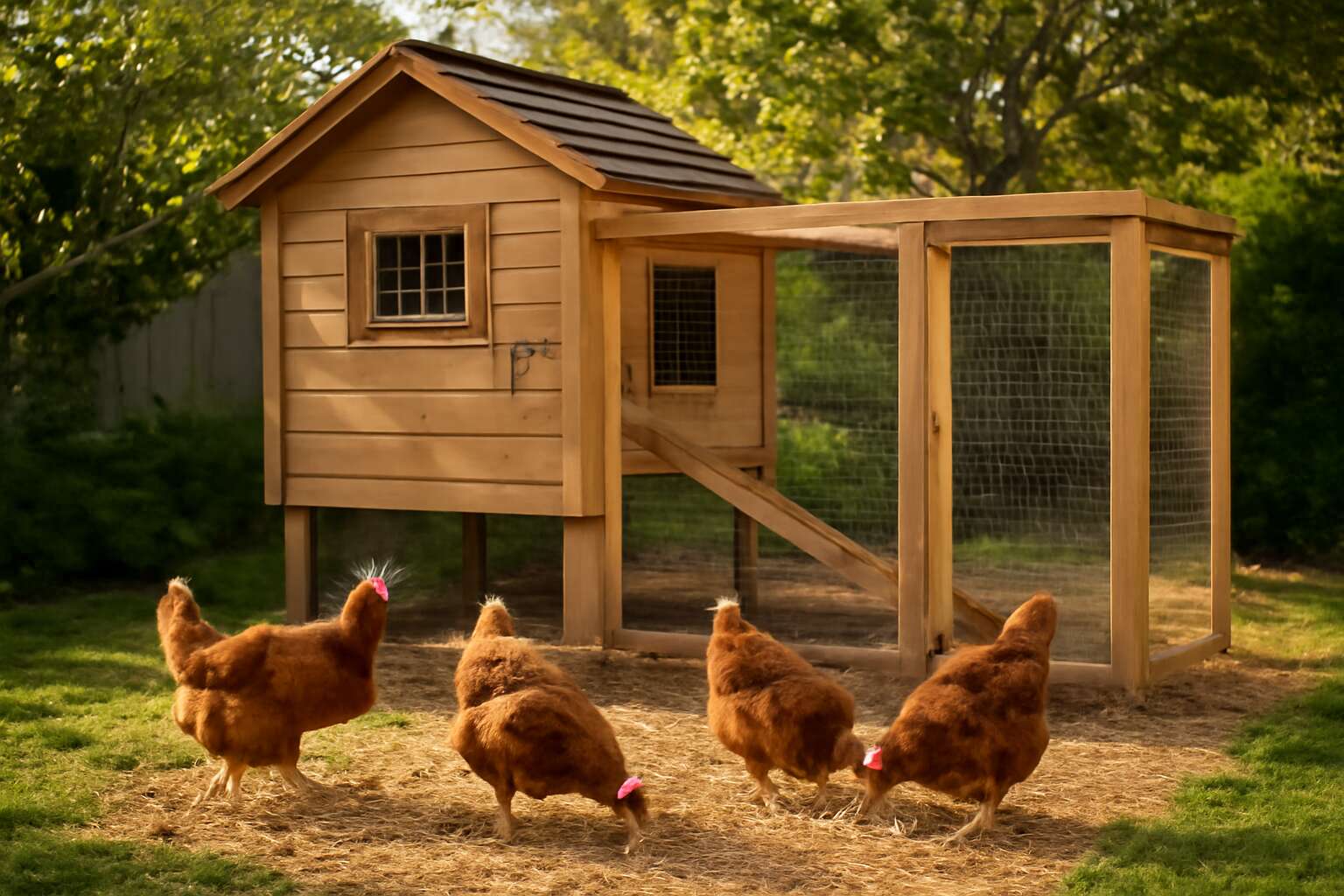
Getting Started with Chicken Farming
Best chicken breeds for beginners
A recent survey shows backyard flocks can contribute up to 25% of a smallholding’s egg supply, a quiet revolution in South Africa’s neighbourhoods. For chicken farming for beginners, the rhythm begins with patient observation: sun on the coop, dust in the yard, and clucks that promise dependable days ahead.
Best chicken breeds for beginners blend temperament with resilience. Consider these starter options:
- Rhode Island Red
- Sussex
- Australorp
Each breed offers a distinct egg colour and a personality that can harmonize with a busy South African home. In climate-plagued pockets, hardy lines endure heat and cold; in urban blocks, compact frames fit coops and fences without drama. A calm flock turns routine into a quiet, cheerful ritual.
Key traits to look for in starter flocks
A steady morning cluck can be your most reliable alarm clock, turning patience into pantry staples. In chicken farming for beginners, the starting line isn’t the coop—it’s the bird you bring home, whose temperament fits a busy South African home and changing weather.
Key traits to look for in starter flocks include:
- Calm, sociable temperament that reduces flock stress
- Hardiness to withstand SA heat and chilly nights
- Steady laying ability and feed efficiency
- Strong foraging instinct and disease resilience
Pair these traits with a reputable local supplier, and the journey gains a reliable heartbeat.
Where to buy day-old chicks and starter pullets
South African backyard farmers are discovering that the fastest route to steady eggs begins with healthy day-old chicks. For chicken farming for beginners, the first bird you bring home sets the tone for a busy season ahead. A longtime South African poultry keeper reminds newcomers: “the right start is the best investment you’ll make.”
Where to buy day-old chicks and starter pullets? Choose local hatcheries and reputable farm stores that understand SA climates and delivery times. A dependable supplier can make the difference between a smooth week and a scramble when weather changes.
- Local hatcheries with day-old chick options
- Trusted agricultural co-ops and farm supply stores
- Reputable SA online suppliers with delivery and stock guarantees
For chicken farming for beginners, the venue you select matters as much as the temperament of the birds. Build that supplier relationship early, and you’ll have a steadier heartbeat in your flock through each season.
Housing and Equipment Essentials
Coop design basics for beginners
Sunlight spills across a well‑ventilated coop, and the dawn chorus becomes a promise of abundance. In South Africa’s varied climate, the right housing turns chicken farming for beginners into a quiet art—where safety, airflow, and shade cohere. The coop is more than shelter; it is a controlled microclimate, a daily stage for flourishing flocks.
- Predator-proof fencing and secure doors
- Adequate ventilation without drafts
- Elevated roosts with comfortable spacing
- Easy-clean litter and accessible nesting boxes
- Reliable waterers and sturdy feeders
I believe a well-arranged space makes village life more humane—a simple poetry of daily care that suits a South African homestead and the aspirations of those who seek beauty in responsibility.
Ventilation, temperature, and insulation
Heat-warped summers and crisp winter mornings shape the microclimate on a South African homestead. A well-ventilated, insulated coop reduces stress and makes daily care feel almost magical.
Ventilation should be steady, not drafty—think gentle currents and shaded pockets of air. Insulation keeps morning chill at bay while letting heat escape on scorching days. Elevate roosts and keep litter dry to preserve comfort and cleanliness.
- Ventilation: adjustable vents and cross-flow control
- Temperature: reflective roofing and cavity insulation
- Shade: trees, awnings, windbreaks
- Cleanliness: easy-clean litter and accessible nesting boxes
chicken farming for beginners becomes a quiet art—where every breath of air sustains the flock and the caretaker feels at home.
Secure predator protection and fencing
On a South African homestead, housing becomes more than shelter—it is a quiet vow to the flock. Predator protection and fencing must read as a living boundary: sturdy mesh, robust posts, and a locked gate that stops dusk’s shadows from slipping inside. When the perimeter feels solid, the coop breathes easier, and routine flows like a well-tuned breeze around the run and roosts.
For chicken farming for beginners, the first priority is a perimeter that repels prowlers while keeping the hens calm. A clean, simple approach—durable materials, gaps kept in check, and gates that behave—gives you space to focus on daily care instead of firefighting intruders.
Nesting boxes, perches, and litter management
Across South Africa’s homesteads, a tidy coop is a quiet pledge to the flock—calm birds lay steadier eggs. In chicken farming for beginners, nesting boxes, perches, and litter management translate care into consistency. A well-placed nest invites comfort; dry bedding and clean roosts reduce stress and broken eggs!
- Nesting boxes: Size about 30x30x30 cm per hen, placed off the floor and lined with straw or shavings; one box per 4–5 birds reduces competition.
- Perches: 2.5–3 cm diameter perches, spaced to avoid crowding; mount 45–60 cm above the floor, with multiple levels.
- Litter management: Dry, absorbent bedding and a deep-litter approach in the run; weekly turning keeps moisture and ammonia in check.
With a simple routine—daily checks, fresh bedding, and timely waste removal—you cultivate a steady, healthy microclimate for your hens. That rhythm is the backbone of chicken farming for beginners.
Daily Care, Feeding, and Nutrition
Understanding age-specific nutrition
Across South Africa, small flocks show that daily care is a ritual, not a rush—up to 30% of early chick losses trace to nutrition gaps. For chicken farming for beginners, water and warmth matter most.
Daily care means clean water, accessible feed, and regular checks for distress or coughing. A quiet, dry coop reduces stress and disease pressure, keeping birds productive.
Feeding follows a simple arc as birds grow. Use age-appropriate feeds and observe energy and calcium needs as they mature:
- Chicks: starter feed with higher protein to support rapid growth.
- Growers: a balanced mix that maintains steady development.
- Layers: calcium-rich diet to support strong eggshells.
Understanding age-specific nutrition helps farmers plan with confidence and reduces waste, a core insight for navigating South Africa’s climate and markets.
Feeding schedules and practical tips
Daily care can’t be rushed—it’s the quiet engine of healthy flocks. For chicken farming for beginners, water and warmth matter most: provide clean, accessible water, a dry, draft-free coop, and regular checks for distress or coughing. Consistency beats chaos!
- Water quality matters: clean bowls and no leaks
- Feed access should be steady, with minimal waste
- Warmth requires a consistent coop temperature
- Health signals include activity, breathing, and droppings
Feeding follows a simple arc as birds grow. Use age-appropriate feeds and observe energy and calcium needs as they mature: chicks with starter, growers with a balanced mix, layers with calcium-rich options.
Practical tips: build a simple, age-appropriate calendar for feeding and nutrition, monitor intake and body condition, and tune the plan to South Africa’s climate so nutrition aligns with demand rather than waste.
Watering systems and hygiene
In South Africa, a well-kept coop is the quiet engine of protein—humble, unfussy, indispensable. For chicken farming for beginners, water and warmth matter most: provide clean, accessible water, a dry, draft-free sanctuary, and regular checks for distress or coughing. Consistency beats chaos!
Water quality matters: clean bowls, no leaks, easy access. Hygiene is equally vital: dry litter, clean feeders, regular coop sanitation. Here are quick touchpoints:
- Watering systems: clean bowls, no leaks, and accessible locations
- Hygiene: dry litter, regular coop cleaning, and sanitized feeders
- Health signals: steady activity, even breathing, and normal droppings
Daily care keeps the flock resilient against South Africa’s changing drafts and temperatures.
Feeding follows a natural arc as birds grow; ensure energy and calcium needs are met while avoiding waste. In our climate, nutrition should mirror demand rather than abundance, supporting vigor, egg quality, and a calm, curious flock.
Health, Biosecurity, and Disease Prevention
Common beginner illnesses and early signs
In chicken farming for beginners, health is the quiet heartbeat of a flock. Across South Africa, a small outbreak can ripple through a homestead faster than a drought rumor. “The welfare of the flock is the heartbeat of the farm,” a veteran farmer once said. Vigilant eyes combat illness.
Common beginner illnesses and early signs include:
- Coccidiosis: lethargy, poor growth, diarrhoea
- Newcastle disease: coughing, tremors, reduced egg production
- Avian influenza: lethargy, breathing difficulty, swollen wattles
- Infectious bronchitis: coughing, nasal discharge, slow weight gain
Biosecurity and disease prevention hinge on disciplined observation and mindful boundaries—habits that keep a flock healthy without drama. In a South Africa context, that means noticing shifts in energy, appetite, or social cohesion, and treating the flock with care. This is how chicken farming for beginners stays humane and resilient—the farmer’s duty begins with reading the flock’s quiet signals.
Vaccination basics for backyard flocks
In the pale dawn, health is the flock’s quiet weather—and for chicken farming for beginners, a healthy chorus is worth more than a lantern’s glow. Across South Africa, backyard flocks lose up to 15% each year to preventable disease!
I’ve learned that biosecurity is boundary and ritual: observe energy, appetite, and social rhythm; keep visitors few; shoes changed at the threshold. Vaccination basics form the quiet armour. Vaccinated birds hold the line, and vigilant eyes catch shifts in gait, breath, or mood.
- Consult a veterinarian for vaccine guidance
- Keep simple health records to spot patterns
- Maintain clear boundaries to reduce cross-contact with wild birds
These threads form the shield behind every heartbeat of the yard.
Biosecurity practices to prevent outbreaks
Health is the quiet weather of a coop; a single ripple can rewrite a week. In South Africa, preventable disease still claims up to 15% of small flocks. For chicken farming for beginners, health is the first trust you tend.
Biosecurity is boundary and ritual, a daily constitution that keeps danger at bay.
- Limit cross-traffic and separate poultry zones.
- Change footwear and wash hands at the gate.
- Observe new arrivals before integrating them with the flock.
Disease prevention hinges on vigilant eyes and simple records: note shifts in gait, breath, or mood; a quiet log can reveal patterns before trouble arrives.
Emergency first-aid for common injuries
Small flocks in South Africa still lose up to 15% to preventable illness—enough to tilt a season. Health is the quiet weather you tend daily!
For chicken farming for beginners, health is the first trust you tend; consistent observation, and I’ve learned that clean water forms the backbone of resilience.
Biosecurity is boundary and ritual, a daily constitution that keeps danger at bay. Limit cross-traffic and separate zones. Change footwear and wash hands at the gate.
Emergency first-aid for common injuries is about calm, quick response.
- Apply direct pressure to stop bleeding and rinse with clean water.
- Clean the wound, apply antiseptic, and cover with sterile dressing.
- Isolate the bird if distressed or unable to walk, and call a vet.
In South Africa, these constants—health, boundary, and calm care—help flocks endure seasonal shifts with dignity.
Record-Keeping, Compliance, and Farm Growth
Keeping production and financial records
Across South Africa’s diverse farms, good record-keeping acts like a compass for any flock. When producers log daily production, feed use, and mortalities, profitability tends to rise—often by 15–20%—and surprises shrink. A regional note suggests farms with simple record systems enjoy steadier cash flow and fewer vet visits, proof that numbers can be as nourishing as corn.
Record-keeping isn’t bureaucratic busywork; it’s a map you can read at a glance. Start with core categories that stay legible across seasons.
- Daily production and mortality totals
- Feed and input costs
- Health records, vaccinations, and treatments
- Waste management and biosecurity incidents
Compliance weaves into growth; staying within DALRRD guidelines, local bylaws, and veterinary requirements protects stock and access to markets. When growth is deliberate rather than reactive, plans anchor a flock’s trajectory. For chicken farming for beginners, the discipline of record-keeping and compliance becomes the foundation that unlocks sustainable expansion.
Ethical and legal considerations for small farms
On South Africa’s diverse farms, disciplined record-keeping acts as a compass for a growing flock. When you track daily production, feed use, and losses, the numbers translate into steadier cash flow, fewer surprises, and clearer growth paths. For chicken farming for beginners, that clarity turns routine into a reliable plan.
Compliance isn’t red tape; it’s protection and access. Align with DALRRD guidelines, respect local bylaws, and meet veterinary requirements. When growth is deliberate and documented, you build reputation and resilience.
- Principles: consistent record-keeping across seasons
- Impartial data storage that invites review
- Ethical considerations that safeguard stock, staff, and community
Ethical and legal considerations for small farms thread through every choice—from waste management to fair labor and market transparency. Thoughtful growth means planning capacity and welfare as much as numbers, keeping the flock healthy and the business credible.
Scaling from hobby to small commercial operation: steps
In South Africa, a clear ledger keeps a flock on course. For chicken farming for beginners, disciplined record-keeping turns routine into a growth plan. The right system summarizes inputs and outcomes without guesswork, making milestones feel attainable.
- Establish a simple, season-spanning record system
- Ensure compliance with DALRRD guidelines and local bylaws
- Map a staged growth plan from hobby to small commercial operation
Compliance isn’t red tape; it’s protection and access. When growth is deliberate and documented, credibility follows and resilience grows.
Marketing, egg pricing, and customer relations
Record-keeping isn’t chores; it’s the compass for chicken farming for beginners! When you log day-by-day inputs and outputs, the path from hobby to sustainable operation becomes visible. A simple ledger turns feed, egg yield, and small expenses into a growth curve you can trust.
- Track inputs and outputs clearly
- Log health checks, mortality, and vaccination dates
- Map staged growth milestones from hobby to small commercial
Compliance with DALRRD guidelines and local bylaws isn’t red tape; it’s access to markets and insurance for your future. A disciplined record turns policy into protection and makes growth feel real.
Farm growth marketing relies on clear communication with customers. Track egg pricing alongside cost of production so margins stay visible. This is key in chicken farming for beginners. Build trust through reliable delivery, friendly service, and transparent updates; your buyers become partners in the journey.
Waste management and sustainability practices
In chicken farming for beginners, solid records do more than tally feed and eggs; they reveal patterns, costs, and risks that lurk in plain sight. A simple ledger turns inputs and outputs into a clear growth curve you can trust. When you log feed, health checks, and mortality, the path from hobby to a sustainable operation becomes visible.
Compliance with DALRRD guidelines and local bylaws isn’t red tape—it’s access to markets and insurance for your future. Clear records support audits, neighborly relations, and lender confidence, helping your venture stay compliant and resilient.
Waste management and sustainability matter as your farm grows. Smart handling reduces odor, protects water quality, and closes loops between litter, manure, and the soil.
- Composting as a nutrient cycle that returns value to the soil
- Water quality stewardship and responsible drainage as central concerns
- Regulatory alignment and market access as ongoing commitments

0 Comments