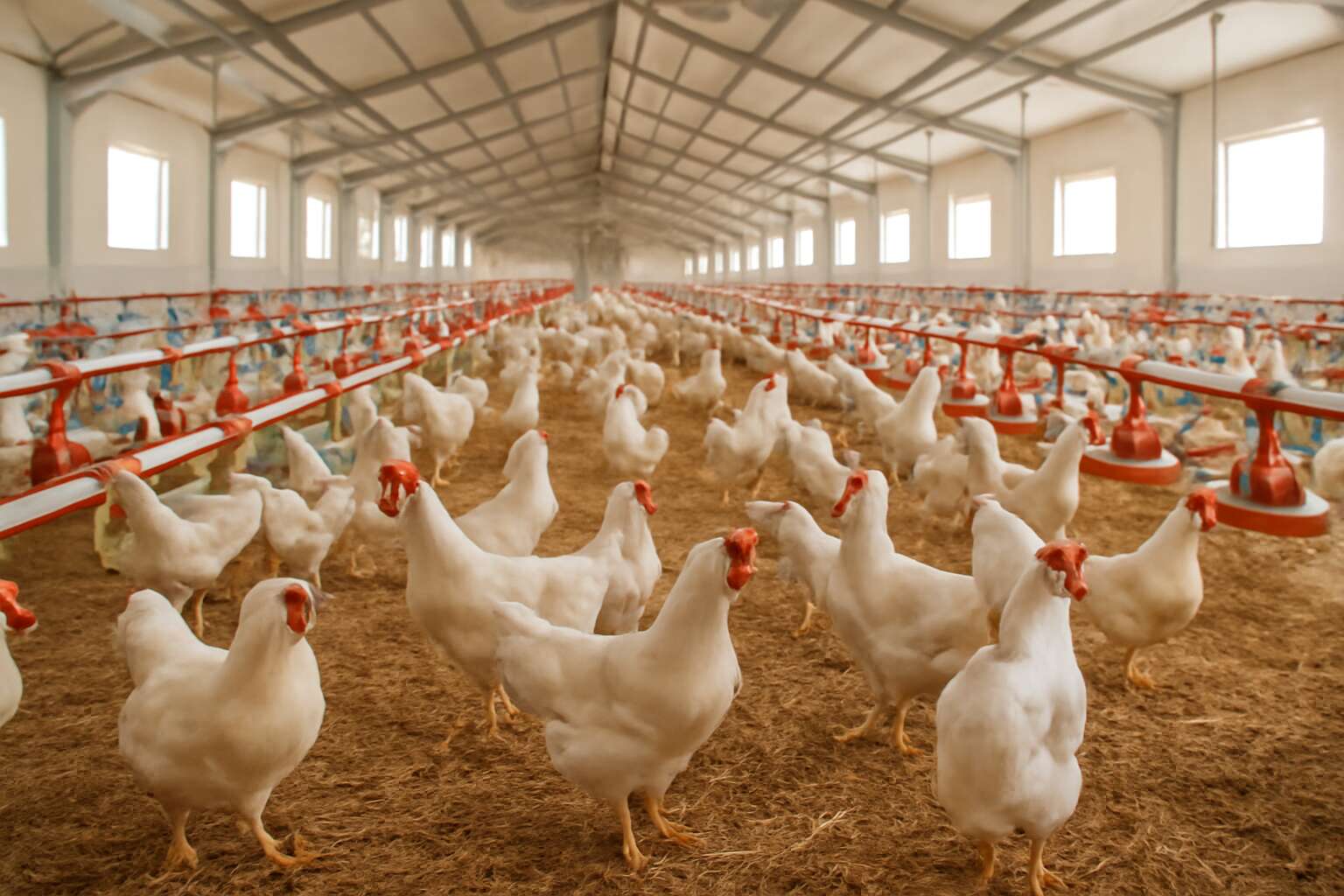
Poultry farming essential requirements
Housing and shelter standards
A sturdy coop is a quiet profit lever. In South Africa’s climate mosaic, proper housing protects flocks and boosts returns—this is central to chicken farming requirements.
Shelter should balance warmth, airflow, and cleanliness. When the coop breathes and stays dry, birds thrive, pecking less and laying more!
- Adequate ventilation that avoids drafts
- Dry litter and easy cleaning surfaces
- Predator-proof fencing, doors, and locks
- Rosters and perches at safe heights
- Lighting that respects natural day-length
Sturdiness matters: predator-proof construction, durable materials, and safe access for daily care. The right shelter reduces stress and keeps the flock humming along.
Feeding, water, and nutrition
“Nutrition is the backbone of a healthy flock,” a veteran South African farmer once said, and the claim sticks with me as I walk the shed. In the rhythm from day-old chicks to mature layers, water and feed are not afterthoughts but the compass guiding growth, egg production, and resilience against the weather and misfortune.
In the framework of chicken farming requirements, supplying clean water at all times and choosing balanced rations is essential. Aim for appropriate protein, energy, minerals, and vitamins, with stage-appropriate feeds—starter, grower, and layer—either mash or pellets. In South Africa, local grains and quality additives support steady performance, while calcium-rich supplements bolster shell strength.
- Constant access to clean water and well-maintained drinkers
- Balanced nutrition aligned with age and production stage
- Quality storage to prevent mold and mycotoxins
When feeding and watering align with the birds’ needs, the flock moves with a quiet, almost existential rhythm—purposeful and resilient.
Health, biosecurity, and welfare
One outbreak can undo months of effort. These chicken farming requirements center on health, biosecurity, and welfare, keeping South Africa’s flocks resilient.
Health is the backbone of a thriving flock. Regular health checks, clear records, and a vaccination mindset help catch issues before they spread.
Biosecurity is not a backdrop; it’s the frontline.
- Visitor and vehicle controls to stop disease movement
- Dedicated clothing and sanitation for staff and equipment
- Clean, well-maintained facilities and pest control
Welfare means humane handling, appropriate space, natural lighting, and routine enrichment. These elements reduce stress and improve longevity. Poultry welfare standards should guide every choice.
Legal compliance and record-keeping
Compliance isn’t a dry afterthought—it’s the backbone of a resilient flock. In South Africa’s bustling poultry scene, legal adherence and meticulous record-keeping separate smooth operations from costly derailments. These are core chicken farming requirements that keep farms accountable, insured against fines, and aligned with market expectations. A sharp paper trail helps you trace performance, justify inputs, and ride out audits with minimal drama!
To keep compliance practical, focus on these pillars:
- Licensing, permits, and registrations with applicable authorities
- Accurate production, mortality, and movement records for traceability
- Environmental stewardship: waste management and proper disposal
- Incident reporting and corrective-action trails to close the loop
Record-keeping isn’t glamorous, but it’s your safety net.
Operations, management, and growth planning
In South Africa’s busy poultry scene, growth hinges on solid operations, sharp management, and deliberate growth planning. A recent benchmark shows farms with formal growth plans expand flock size about 25% faster and ride market changes more smoothly. These realities anchor chicken farming requirements—governance and clear targets matter and can be a real turning point for margins!
Operational excellence rests on scheduling, data handling, staffing, and equipment upkeep. Daily routines become predictable, costs stay in check, and growth feels purposeful.
- Production forecasting aligned to market cycles
- Staff training, rostering, and supervision
- Data capture and performance analytics
- Equipment maintenance and downtime planning
- Supplier relationships and market intelligence
Growth planning requires a simple framework: diversify, balance risk, and allocate capital with long horizons in mind, all while acknowledging chicken farming requirements. That mix keeps farms resilient in a volatile market.

0 Comments