Understanding Poultry Breeds and Their Potential
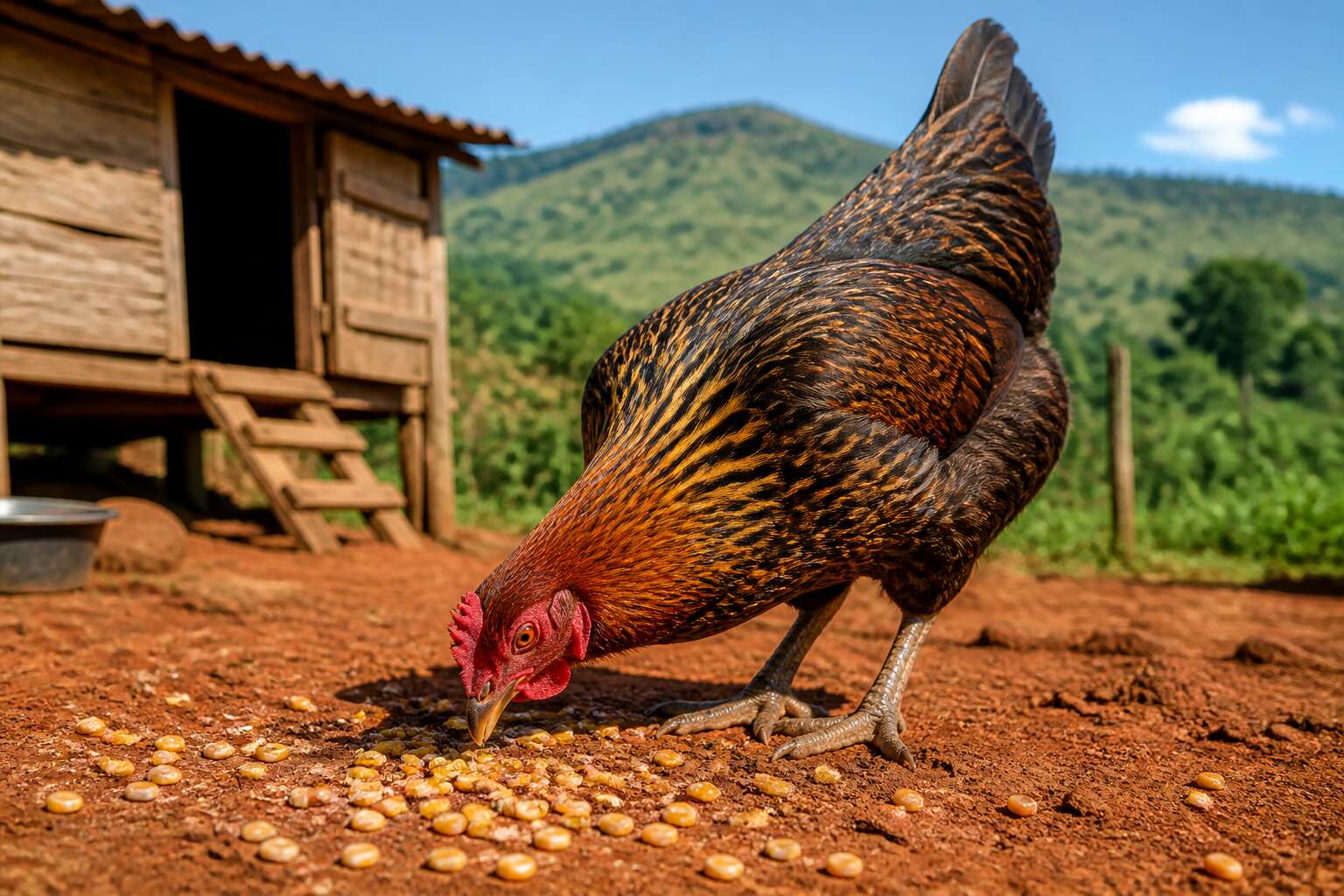
In the highlands of Kenya, a bird’s breed determines more than egg color. It shapes survival against local diseases, feed efficiency, and the income a smallholder earns each month. For chicken farming kenya, the choice between indigenous and improved breeds carries real weight. Native birds like the Kuchi endure harsh conditions but grow slowly. Exotic layers, such as the Lohmann Brown, yield over 280 eggs per year, yet they demand better feed and shelter.
The potential lies in matching the bird to the environment. A farmer with limited resources may benefit from a dual purpose breed that tolerates scavenging. Some useful options include:
- Kenbro, a hybrid bred for both meat and eggs
- Sasso, hardy and suited to free range systems
- Improved Kienyeji, resistant to Newcastle disease
Understanding these traits transforms a simple flock into a reliable asset. The best breed is not always the most productive. It is the one that endures your reality and still rewards your care. In chicken farming kenya, that balance defines true potential.
Setting Up a Functional Poultry House
Most poultry failures in Kenya start before the chicks arrive. The housing, not the bird, often determines your losses. A functional poultry house in chicken farming kenya must cope with heavy rains, intense heat, and predators that learn your routines quickly. I have seen farmers lose whole flocks to poorly ventilated structures, where ammonia builds up faster than anyone expects.
- Raise the floor at least two feet off the ground to keep dampness away.
- Use wire mesh with small gaps for airflow while blocking rats and snakes.
- Build the roof with a steep pitch so storms drain off without leaking.
Good housing does not need to be fancy or expensive. Cement blocks and corrugated iron work fine when you pay attention to spacing and drainage. In chicken farming kenya, the difference between thriving and just surviving often comes down to how well you observe your own setup. Walk through the house at different times of day, and you will notice what needs adjusting.
Feeding Regimes for Healthy Flocks
Feeding a flock demands patience and arithmetic. The birds want feed, you want eggs. In chicken farming kenya, the real trick is timing and protein. Give them too much maize and they become lethargic. Too little and they get cranky. I once watched a hen refuse to lay for three days over a late mash delivery.
- Morning grain for energy
- Midday greens for boredom
- Afternoon layers mash for proteins
That routine keeps the pecking order peaceful. Quantities need adjustment when the weather shifts. Rain makes birds gluttonous. Heat makes them picky. Their droppings tell you everything!
Preventing and Managing Poultry Diseases
In chicken farming Kenya, disease can erase months of hard work in a single night. I have seen it happen too often. The culprits are quiet, creeping in through dirty feeders or contaminated water. Prevention starts with biosecurity, which sounds clinical but saves lives. Keep your flock isolated from wild birds. Disinfect boots and equipment without fail.
Early detection saves flocks. Watch for lethargy, droopy combs, or sudden drops in egg production. Act immediately when something feels off!
Here is what I check every single morning:
- Clean water and fresh feed
- Signs of coughing or gasping
- Unusual droppings
A sick bird can infect an entire run in hours. Do not wait for a diagnosis. Separate any suspect bird right away. That instinct, honed over time, is often what separates thriving farms from empty pens in chicken farming Kenya.
Turning Poultry into Profit
The markets surrounding Nairobi are hungry, truly hungry, for quality poultry. A single mature hen can command a price that makes a small-scale farmer’s heart leap. This isn’t mere subsistence.
It is a calculated venture where understanding the local breeds, from the resilient Kienyeji to hybrid layers, dictates your fortune. Profit, however, demands more than good stock. It demands diligence.
The dividing line between loss and gain in chicken farming kenya often comes down to simple, consistent practices.
Scrupulous biosecurity to prevent Newcastle disease outbreaks.
Strategic, cost-effective feeding schedules using locally sourced grains.
Record-keeping for every shilling spent on medication, feed, and transport.
The market rewards patience. Those who study the rhythm of supply and demand, selling at the festive peaks, will see their small flock transform into a dependable income stream. This is the quiet alchemy of turning grain and grit into golden eggs.

0 Comments